Supporting Teens with Balanced, Healthy Gaming Habits
Every teen’s relationship with gaming is different, and their needs are influenced by development, social connection, stress management, mental health, and family dynamics. Rather than focusing only on screen time limits or complete elimination, the approach of our therapists is to help teens understand what their mind and body need to feel balanced, connected, and well through individual teen counselling that meets them where they are.
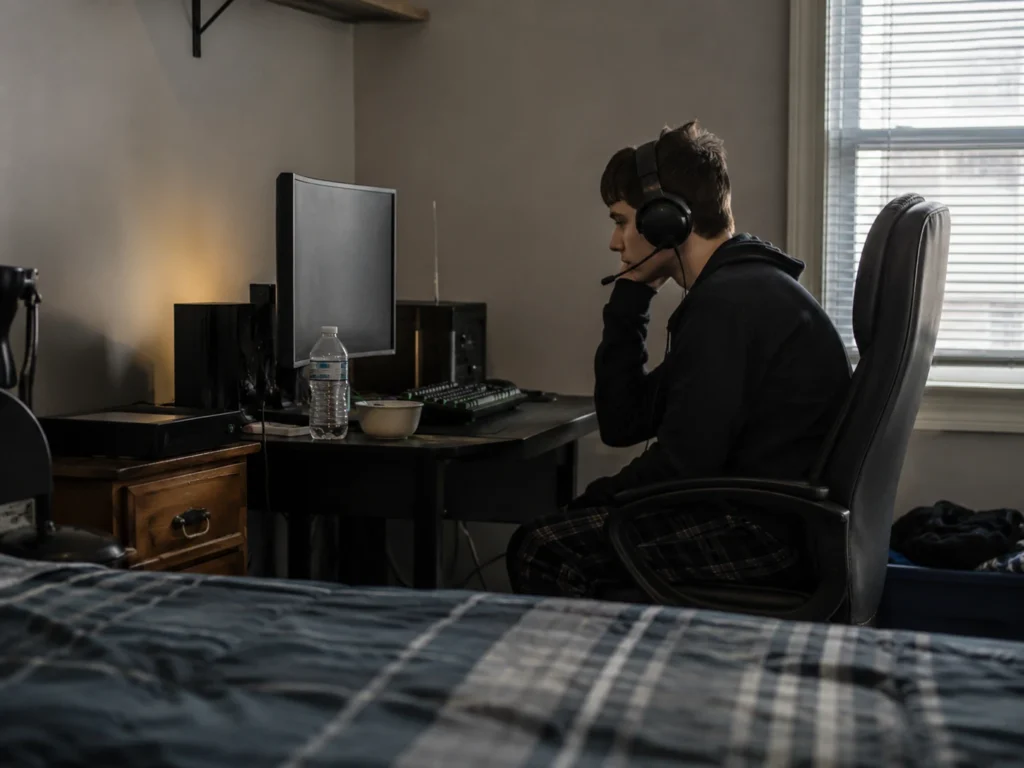
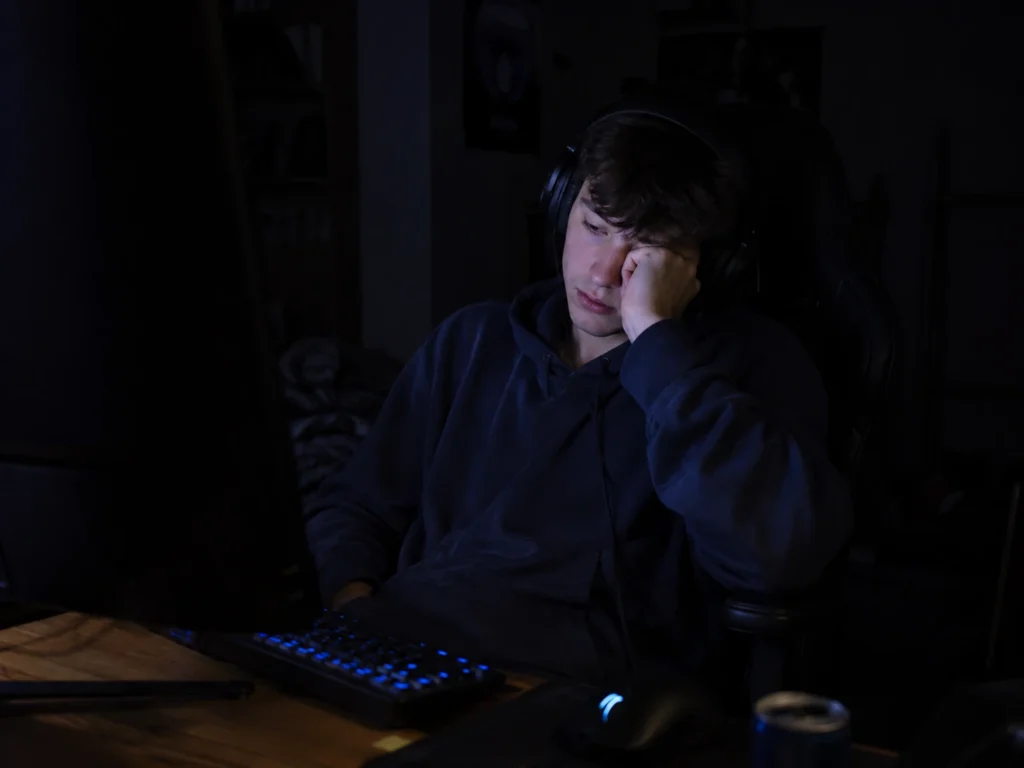
Concerns such as gaming addiction, social withdrawal, sleep disruption, academic decline, or using games to escape difficult emotions can make gaming feel problematic or out of control. Our therapists help teens navigate these challenges while still building a healthy, enjoyable, and sustainable relationship with gaming and technology. When gaming is connected to loneliness or difficulty with friendships, counselling for social skills and isolation among teens may also be helpful.
What to Expect From Therapy for Video Game Addiction
Therapists can help teens with the following:
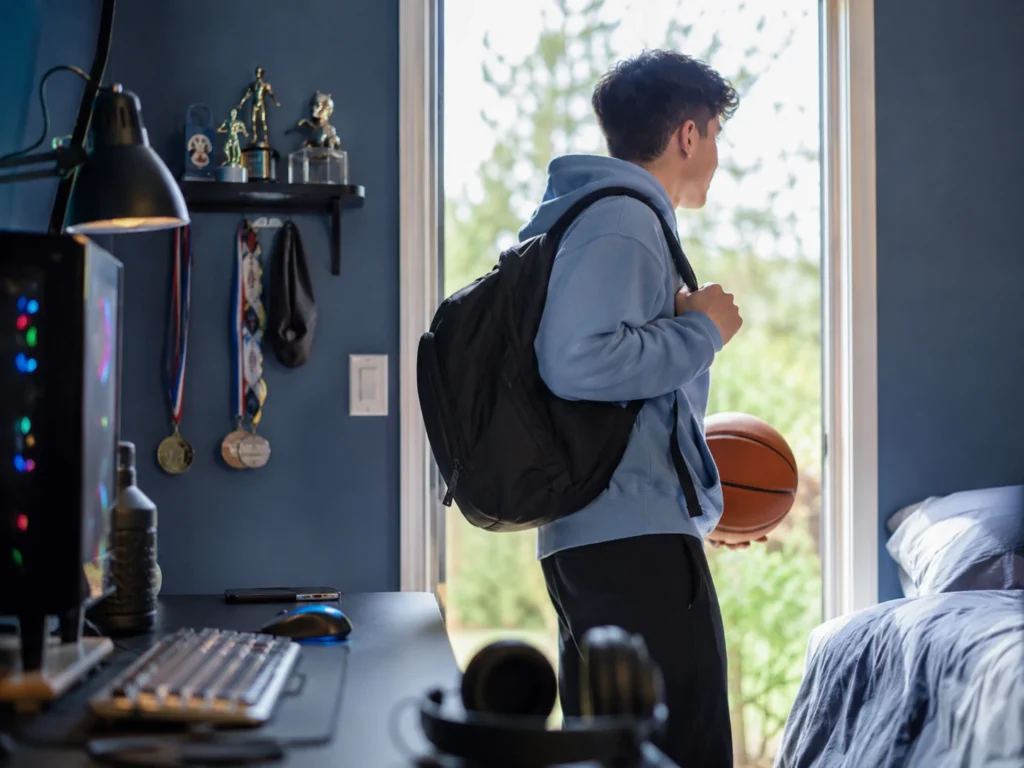
- Building balanced daily routines that support well-being and development, helping teens include a variety of activities that provide physical movement, social connection, creative expression, rest, and responsibilities in a way that feels realistic and achievable.
- Developing practical life skills, teaching age-appropriate skills such as time management, emotional regulation, stress management, and setting personal boundaries to build confidence and independence.
- Listening to signals from the body and mind, supporting teens in recognizing when they’re using gaming to avoid feelings, when they’re truly enjoying play versus compulsively gaming, and when their body needs movement, sleep, or face-to-face connection.
- Understanding what their mind and body need, exploring how different activities support mood, focus, sleep quality, social skills, physical health, and overall well-being.
- Creating positive and flexible expectations around gaming, moving away from “perfect” balance and toward consistency, variety, and self-awareness.
- Learning about healthy development needs for teens, including needs like sleep, physical activity, face-to-face social interaction, academic engagement, and family connection that support brain development, emotional health, and future success.
- Supporting mental health and overall functioning, discussing how gaming impacts sleep patterns, mood regulation, anxiety, depression, and how excessive gaming can both result from and contribute to mental health struggles, without shame-based messaging.
Addressing gaming concerns alone may not “fix” an underlying mental health issue, but developing a balanced relationship with gaming plays a critical role in supporting emotional regulation, social development, and resilience. Having regular routines that include diverse activities helps teens feel more stable, connected, and better equipped to cope with stress. Finding a healthy rhythm with gaming is a learning process, and there will naturally be ups and downs. A supportive therapist can help guide families through this process with compassion and evidence-based care, and parents may also benefit from individual parent counselling when gaming concerns are affecting the whole household.