Academic Struggles🌟 Toronto Counselling For Teens

ACADEMIC STRUGGLES

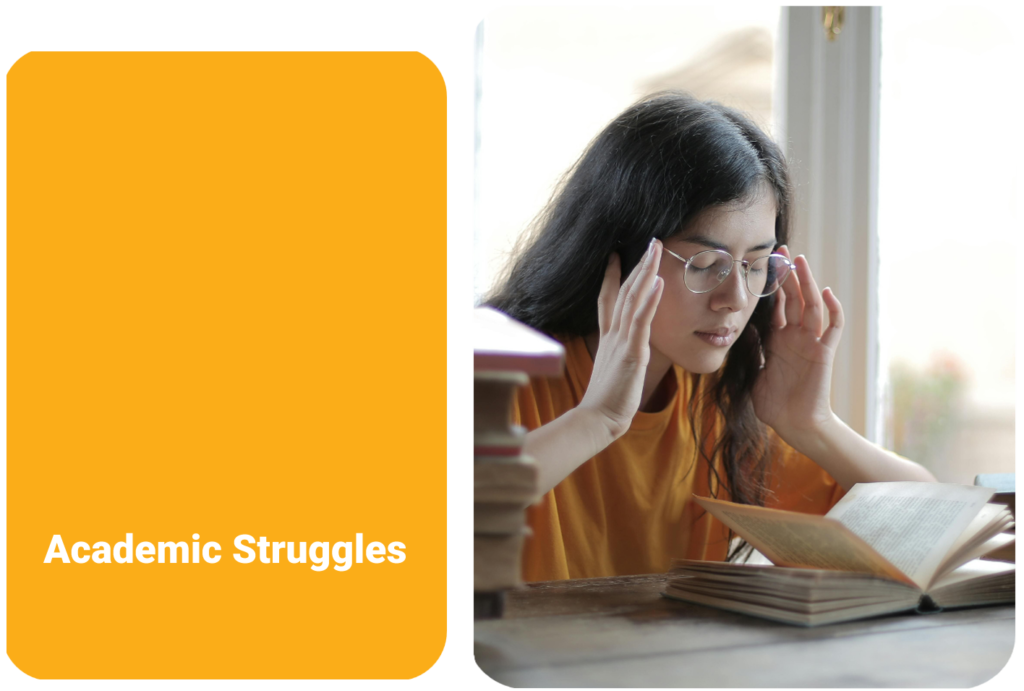
When "School Stress" Feels Like More Than Just Stress

Learning and school performance aren’t just about effort or motivation. They reflect how a young person’s brain processes information, manages stress and responds to expectations. For some teens, what begins as academic difficulty can gradually become linked to anxiety, avoidance, lowered confidence, and even how they see themselves.


When a teen is struggling academically, it’s often a sign that something deeper deserves attention, not criticism, pressure, or punishment. Understanding the connection between learning and mental health allows families to respond with clarity, compassion, and effective support.


Think of academics and mental health as gears in the same system. When one begins to jam, the other often feels it too.

How Do I Know if My Teen Might Have a Learning Difficulty?

boy-in-gray-hoodie-and-black-pants-while-sitting-on-chair-4144692

How Do I Know if My Teen Might Have a Learning Difficulty?

Some teens find certain academic skills such as reading, writing or math, much harder to develop, even when they are intelligent, motivated, and trying hard. This isn’t about laziness or lack of effort. It reflects how their brain naturally takes in, organizes, and uses information.

For these teens, learning in a traditional classroom can feel like wearing shoes that don’t fit. They may be perfectly capable, but the environment or expectations don’t match how they learn best. No amount of effort can make ill-fitting shoes comfortable.

What Learning Challenges Can Look Like

A teen may be experiencing a learning difficulty if they show:

  • Persistent challenges in one or more academic areas such as reading, math, or written expression
  • Skills that fall below age or grade expectations despite steady effort
  • Difficulties that impact school performance, daily functioning, or emotional wellbeing
  • Patterns that continue over time, even when support is in place

These patterns are less like a bad week and more like a recurring roadblock, something they keep encountering no matter how carefully they try to navigate around it.

Why These Challenges Happen

Learning difficulties are rooted in how the brain processes information. They reflect differences in learning style and brain function, not intelligence, motivation, or character.

Common areas of difference may include:

  • Phonological processing (connecting sounds to letters and words)
  • Working memory (holding and using information in the moment)
  • Processing speed (how quickly information is understood or expressed)
  • Visual-spatial reasoning (understanding how objects and space relate)
  • Executive functioning (planning, organizing, and managing time)

Because these processes operate “behind the scenes,” a teen may be creative, articulate, and insightful, yet still find schoolwork overwhelming. The challenge is fit, not ability.

How Common Are Learning Differences?

Learning differences are far more common than many families realize:

  • About 5.6% of Canadians aged 15+ report a learning disability, rising to 9.2% among youth aged 15–24 (Statistics Canada, 2024).
  • Roughly 1 in 10 Canadians experience some form of learning difference (LDAO, 2025).
  • In Ontario public schools, 16% of elementary students and 28% of secondary students receive special education support (People for Education, 2019; 2024).
  • Teens with learning differences are more likely to experience co-occurring challenges: 30–45% report ADHD, and about 68% report mental health concerns (LDAO, 2025).

These numbers reflect an important truth: learning differences are part of natural human diversity, often referred to as neurodiversity; different brains, different wiring, different strengths.

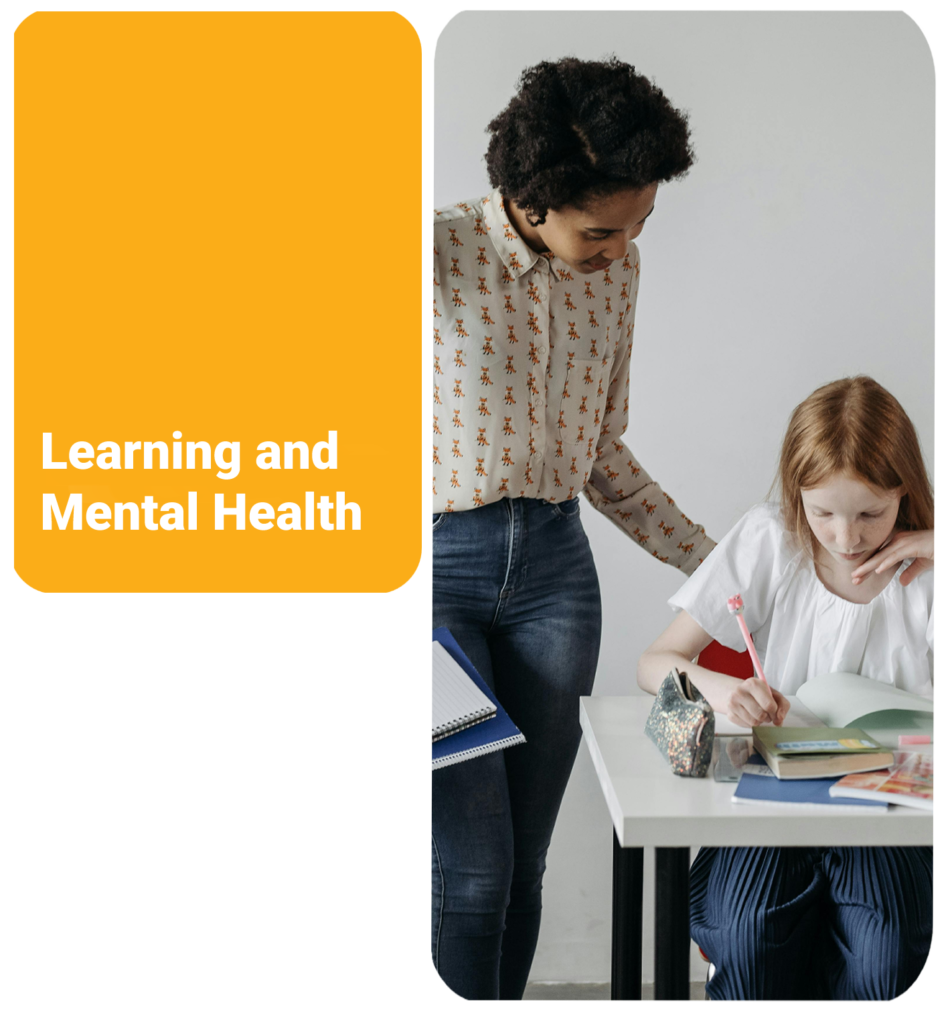
The Connection Between Learning and Mental Health​

Academic struggles and mental health concerns often influence each other in both directions. Learning difficulties can increase stress, anxiety, and self-doubt. At the same time, anxiety and depression can directly affect:

  • Attention and concentration
  • Memory and recall
  • Processing speed
  • Motivation and energy
  • Executive functioning

Over time, this can create a feedback loop: stress makes learning harder, and learning struggles increase stress. Effective support aims to interrupt this cycle by addressing both emotional wellbeing and learning needs together.

The Connection Between Learning and Mental Health​

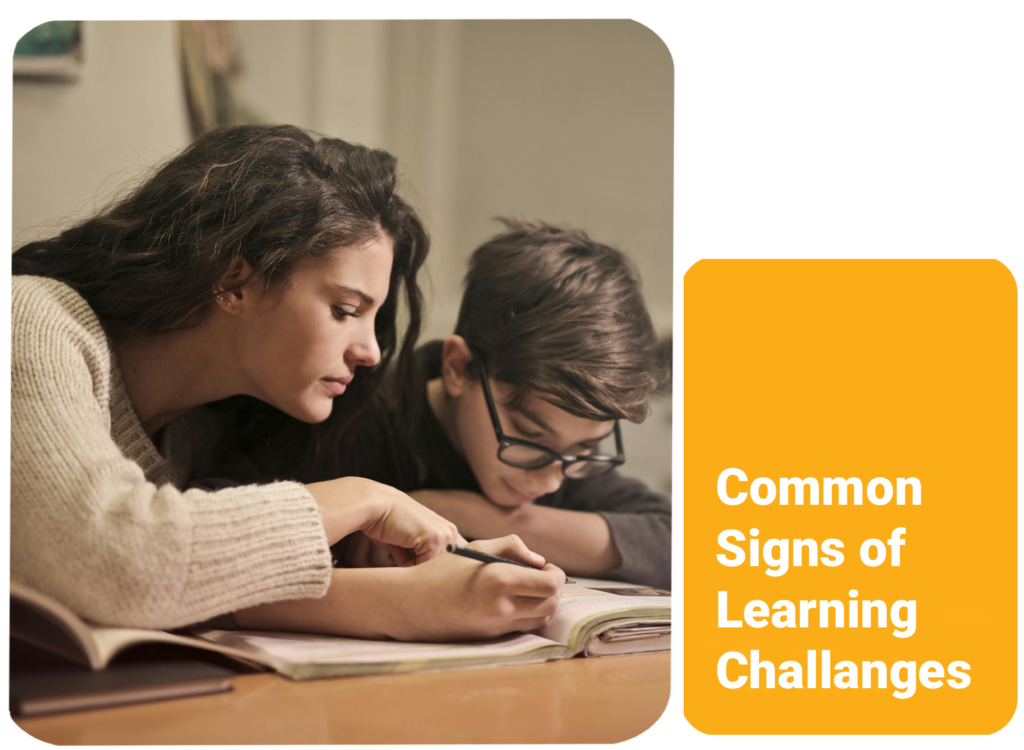
Common Signs of Learning Challenges in Teens

Common Signs of Learning Challenges in Teens

Feeling Chronically Overwhelmed by School

Some stress is normal. However, teens with learning challenges often describe school as relentless, no matter how hard they try, they feel perpetually behind.

You may notice:

  • Difficulty starting or completing assignments
  • Excessive time spent on homework with limited improvement
  • Grades that don’t reflect effort
  • Mental or physical exhaustion after school
  • Growing avoidance of school-related tasks

School can begin to feel like swimming against a strong current: constant effort, little relief.

Reluctance to Ask for Help

When asking for help doesn’t lead to improvement, many teens stop asking altogether. They may assume they’re the only one struggling or that needing help means something is “wrong” with them. This understandable avoidance can increase stress and delay access to supports that could genuinely help.

Declining Confidence and Self-Esteem

As teens become more socially aware, comparisons intensify. Common internal experiences include:

  • “Why does this seem so easy for everyone else?”
  • Frustration, shame, or hopelessness
  • Feeling “stupid” or broken, even when this is untrue

Over time, these experiences can quietly reshape a teen’s sense of identity. What begins as “I’m having trouble with school” can turn into “I am the problem.”

Behavioural and Emotional Changes

 Teens often find creative ways to hide struggle. This may include:

  • Skipping or leaving class
  • Acting disengaged or defiant
  • Withdrawing socially
  • Increased irritability or mood changes
  • Substance use to manage stress

These behaviours are signals, not character flaws, and often reflect attempts to cope with an overwhelming environment.

Understanding School Avoidance

“If I don’t go, I can’t fail.” School avoidance isn’t simply “not wanting to go.” It often signals that school has become emotionally unsafe.

Avoidance may be linked to:

  • Anxiety (performance-related, social, or generalized)
  • Depression or low motivation
  • Learning difficulties that make demands feel unmanageable
  • Fear of failure, embarrassment, or judgment

Avoidance can bring short-term relief, like stepping out of a storm, but over time, it tends to shrink a teen’s world and increase anxiety. Early, compassionate support focused on emotional safety and learning fit can significantly improve outcomes.

Accommodations & IEPs in Ontario Schools

In Ontario, students who struggle academically or emotionally may receive support through an Individual Education Plan (IEP). An IEP is not a label or a life sentence, it’s a practical document that describes how a student learns best and what supports help them access learning.

Important things to know:

  • A formal diagnosis is not required to receive accommodations
  • Accommodations change how learning happens, not what is expected
  • Many students with average or high intelligence benefit from them

Common accommodations include:

  • Extra time on tests and assignments
  • Assistive technology
  • Reduced workload
  • Alternate ways to demonstrate learning
  • Scheduled breaks for regulation and focus

Accommodations are like a ramp beside a staircase. The destination stays the same—the path simply becomes accessible.

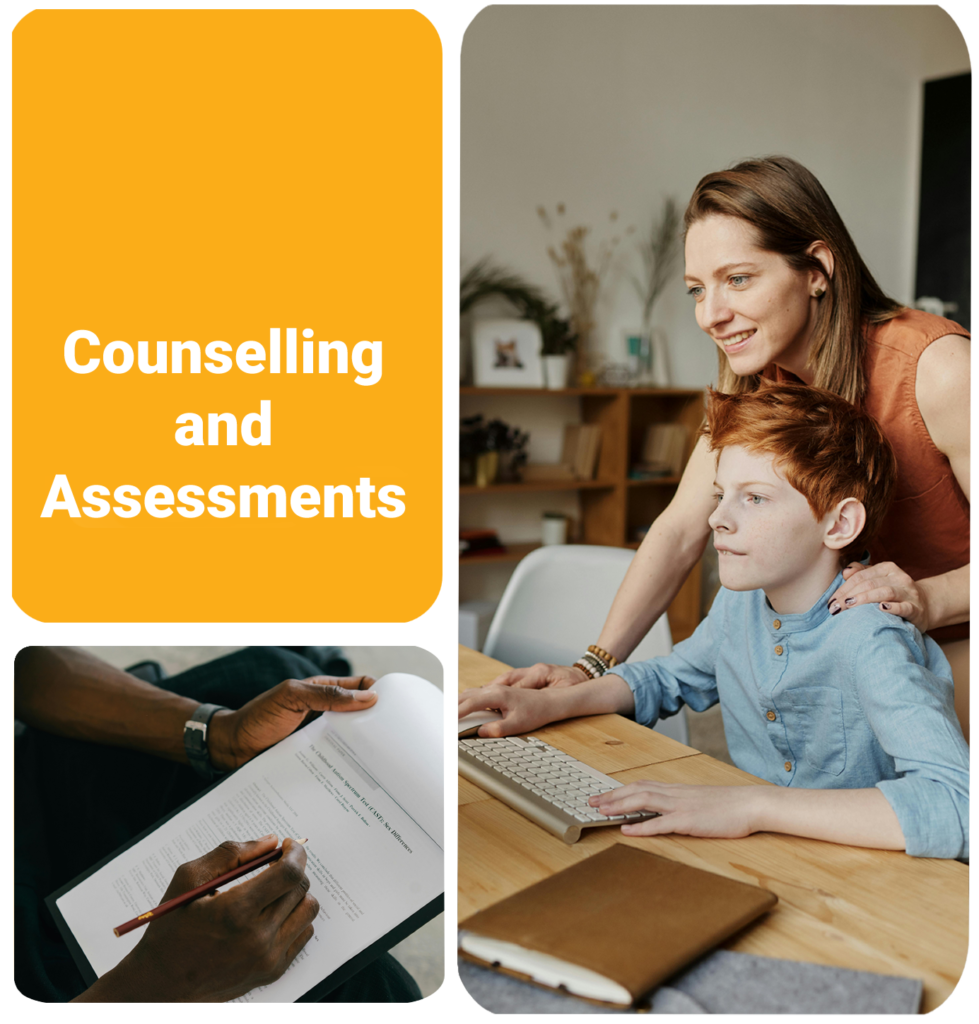
Assessments and Counselling: Which Comes First?

Some families pursue psychoeducational assessment to better understand learning profiles. Others begin with counselling to address stress, confidence, or school avoidance. These approaches often work best together, and there is no single “right” order. What matters most is responding early and thoughtfully. Support is most effective when it addresses both learning and mental health needs.

How Counselling Can Help

Counselling offers teens a space where they don’t have to perform, prove, or pretend. It’s a place to take the backpack off, examine what’s inside, and decide what they actually need to carry. Early sessions focus on understanding academic challenges, emotional experiences, and family context.

Counselling can help teens:

  • Reduce anxiety, depression, and school-related stress
  • Rebuild confidence and a healthier sense of identity
  • Develop coping strategies for overwhelm and avoidance
  • Improve communication with parents
  • Explore learning differences without shame

Many teens also reconnect with strengths that school doesn’t always measure such as creativity, empathy, insight, and resilience.

If your teen is expressing thoughts of self-harm or you are concerned about their immediate safety, urgent support is important.

Assessments and Counselling: Which Comes First? ​

Supporting Your Teen: What Helps (and What Doesn't)

Supporting Your Teen: What Helps (and What Doesn't)

When a teen struggles academically, it’s natural for parents to want to motivate, fix, or protect. What helps most, however, is often less about pushing harder and more about creating the right conditions for learning and emotional safety.

What Helps

  • Feeling understood before being “fixed”
  • Breaking schoolwork into smaller, manageable steps
  • Extra time, flexibility, or alternate ways to demonstrate learning
  • Strategies that align with how your teen’s brain works
  • Support from adults who guide without judging
  • Reducing stress rather than adding pressure
  • Helping your teen know they’re not alone

What Often Makes Things Harder

  • Being told to “just try harder”
  • Comparisons to siblings, peers, or past performance
  • Punishment for feeling overwhelmed
  • Waiting until stress reaches a breaking point
  • Pressure without practical support
  • Treating school performance as the sole measure of worth

If pressure alone worked, your teen wouldn’t still be struggling.

When to Consider Additional Support

Early support can reduce long-term distress and help teens reconnect with learning in healthier ways. You may want to seek professional guidance if:

  • Struggles persist despite effort and accommodations
  • School avoidance or anxiety is increasing
  • Your teen’s confidence continues to decline
  • Family stress around school feels unmanageable

A Note for Parents

If reading this brings a tight feeling to your chest, you’re not alone. Many parents arrive here after watching their teen try hard, fall behind, and slowly lose confidence. It’s painful and it’s common to wonder whether you missed something or did something wrong.

You didn’t miss something.

You didn’t fail them.

Academic struggles don’t mean your teen is broken, unmotivated, or failing at life. They mean the current setup isn’t working and that can change. Support doesn’t lower the bar; it helps your teen reach it without burning out or losing themselves along the way.

Sometimes the first step is simply having a conversation. We’re here to help you begin.

Academic & Emotional Wellbeing Checklist for Teens

Academic & Emotional Wellbeing Checklist for Teens

This checklist is not a diagnosis. It is a guide to help you notice patterns over time and decide whether additional support may be helpful.

This checklist is grounded in a strengths-based, neurodiversity-affirming perspective. It focuses on understanding how your teen learns and copes, not on labeling, blaming, or reducing them to a set of difficulties.

Check any items that have been present for 6 months or more, despite reasonable effort and support.

Learning & Academic Skills

Effort vs. Outcome

Emotional & Mental Health Indicators

Avoidance & Coping Behaviours

School Avoidance (Important to Address Early)

School avoidance is often a sign of emotional overload, not defiance.

Family Impact

What This Checklist Can Tell You

If you checked several items across academic, emotional, and avoidance sections, it may suggest:

  • Your teen’s learning challenges are affecting their mental health
  • Emotional distress is making learning harder
  • Or both

These patterns often overlap and reinforce each other.

When to Consider Additional Support

  • Struggles persist despite effort and accommodations
  • School avoidance or anxiety is increasing
  • Your teen’s confidence continues to decline
  • Family stress around school feels unmanageable

Early support can reduce long-term distress and help your teen reconnect with learning in a healthier way. If this checklist raises concerns, it does not mean you have missed something or that your teen is failing. It means you are paying attention, and that matters.

References

Toronto Counselling Centre for Teens:
Supporting Your Journey Towards Wellness

Learn more about how our counsellors can help with depression by contacting us at 416-565-4504 or by email at info@counsellingtorontoteens.com. Ready to take that first step? Book Now at Bloor West or Danforth your appointment today — it’s always the right time to try.

Vector-Smart-Object
Visit us

267 Runnymede Rd,
Toronto, ON, M6S 2Y5

374 Danforth Ave. 2nd Floor
Toronto, ON, M4K 1N8

Open Hours

Monday to Friday
10am - 8pm
Saturday and Sunday
10am - 6pm

Back